Disclaimer: I wrote a series of articles for an online magazine called Cheers between 2004-2006, am putting them out here since I found them in Lockdown 2.0
IT - Call centers (BPO) and cultural changes
21 February 2006, 01:31:12
When the IT boom happened in India it was thanks to the congress government efforts of globalization. MNC's noticing India's English competency came in with full swing mainly from Europe and America. The first of its kind boom started with the rise of dot com industry. The Y2K boom and bug closely followed the fall of dot com industry. American software industry was full of Indian techies working in all sectors from NASA to AT&T.
The success of hotmail and Subir Bhatia the Indian brain behind this venture was like a landmark case study for the entire Indian IT segment. The amount of money he made overnight was like a carrot behind which the Indian IT industry ran. When the dot com bubble boomed there were millionaires on every nook and corner of Indian cities.
Well now that the Indian IT industry, which made its mark in global arena has seen yet another boom of BPO (Business Process Outsourcing). With the invention of the term customer the customer service too was coined. The increasing customer focus led service to unseen heights. The customer was the king and who needed to be attended to 365/24. So the need for call centers was raised. With the Indian subcontinents capability to speak the English language and to talk politely to the customer even when they are screaming to them with abuses.
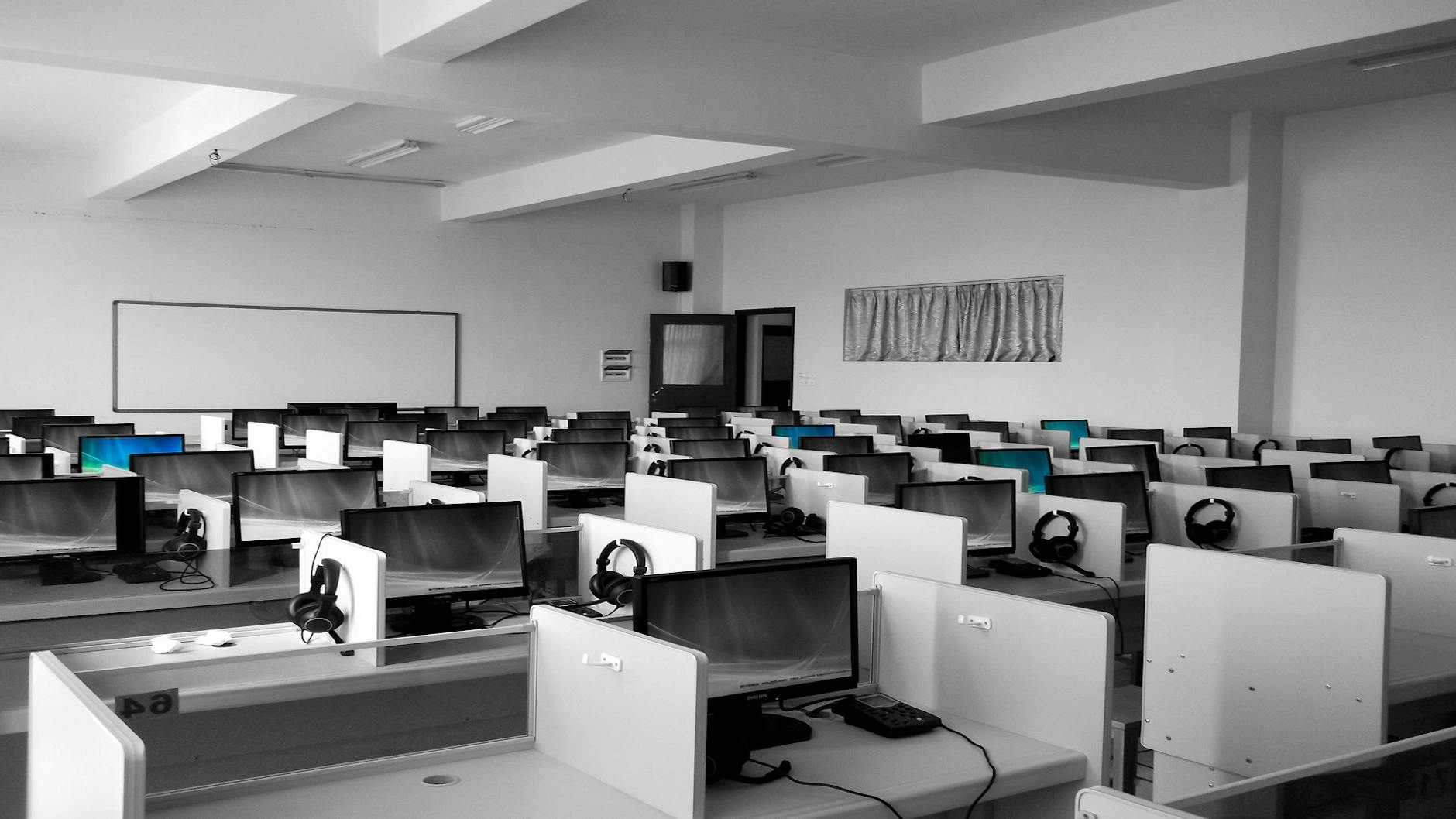
Other IT Support which needed strong technical background like an engineering degree were little difficult to get in, but with call centers even an undergraduate who knows English well would get a job and earn five figure salaries. This came as boom news to all students and job seekers. Within no time the number of students sleeping in class doubled. College dropouts increased.
For those who do not know the scenario when United States of America work India sleeps there is a 12-hour gap between countries. So these call center workers need to be up in the night to attend calls. With this the habits of such employees have changed and are now known as the young owls of a metropolitan. Their work has changed their eating habits, sleeping pattern, socio-cultural engagements etc.
According to Vishwas a call center team leader although he is financially independent he misses hanging out with his friends during evenings and late night outings. There are many like Vishwas who become Vish or Val or even Chris when the take the phone call and start servicing the foreign clients. This has seen a change with legal regulations on outbound call centers from USA to stick to original names.
According to an estimate done by an NGO who are into anthropological studies the current generation of kids coming out of school 20% are going through this BPO boom and joining call centers. This firstly is damaging the education levels in metros and big cities also impacting heavily on their behavioral pattern. The saddest thing is the fact that when they want to opt out of their business of BPO they would not find any other job since their skill and educational level will not be on par with the available talent in the job market. Also the pay scales will not even be interesting since the pay at a call center is on par with a fully technical engineer in a software services company.
With such repercussions this article just tries to make the point of these executives and their bleak future possibilities. With the shifting mindsets of international governments and the basic survival question of outsourced work it really is a hanging sword on the millions of call center employees in India.
Comments
Post a Comment
Tell me what you think...